
Heene Church of England Primary School
EYFS
Phase Leader: Mrs S Chandler
Intent
At Heene CE Primary School, our Early Years curriculum reflects our vision: “Together in faith, we love, grow, and learn.” Rooted in our core values of respect, curiosity, kindness, resilience, hope, and confidence, we provide an inclusive, nurturing environment where every child is valued and supported to flourish. We recognise the diverse experiences and starting points of our children, including those from disadvantaged backgrounds, and plan purposeful, high-quality learning opportunities to close gaps and enable all pupils to make strong progress. Through rich experiences and a carefully designed curriculum, we build the cultural capital children need to succeed, fostering independence, creativity, and a love of learning that will last a lifetime.
Our approach prioritises personal, social, and emotional development and physical development, alongside communication and language, as the foundation for all learning. We place the highest priority on developing children’s communication and language skills. Our intent is to create language-rich environment where every child becomes a confident communicator and an active listener. We believe that strong communication and language skills are the foundation for all future learning and success. Through purposeful interactions, high-quality dialogue, and exposure to rich vocabulary, we aim to ignite curiosity, deepen understanding, and empower children to express themselves with clarity and confidence. By prioritising language development at the heart of our curriculum, we ensure that every child has the tools to connect, collaborate, and thrive in an ever-changing world.
We are committed to supporting the development of skills such as creativity, critical thinking, empathy, and kindness, fostering an environment where children flourish not only as learners but as compassionate and thoughtful individuals. Using the Characteristics of Effective Learning—Play and Exploration, Active Learning, and Creative and Critical Thinking—we create environments that inspire curiosity and confidence. Both indoor and outdoor spaces are thoughtfully adapted to promote independence and engagement, supported by warm, skilled adult interactions that deepen understanding through questioning and scaffolding. Reading, writing, and number skills are embedded within play-based learning, ensuring children develop essential knowledge and skills in meaningful contexts. We recognise the vital role that play—both adult-directed and child-initiated—plays in supporting children’s development. Play-based learning allows children to explore, practice, and embed their skills in a safe, engaging, and fun environment. Through this blend of structured and free-flowing play, we ensure that children’s learning experiences are both rich and flexible, supporting a deep understanding of key concepts and skills.
We have high aspirations for all children, aiming for every child to reach a Good Level of Development by the end of the Foundation Stage. By working in partnership with families and the wider community, we give every child the best possible start preparing them to transition successfully into Key Stage One as confident, resilient learners who embody our school values.
Implementation
Teaching and Learning
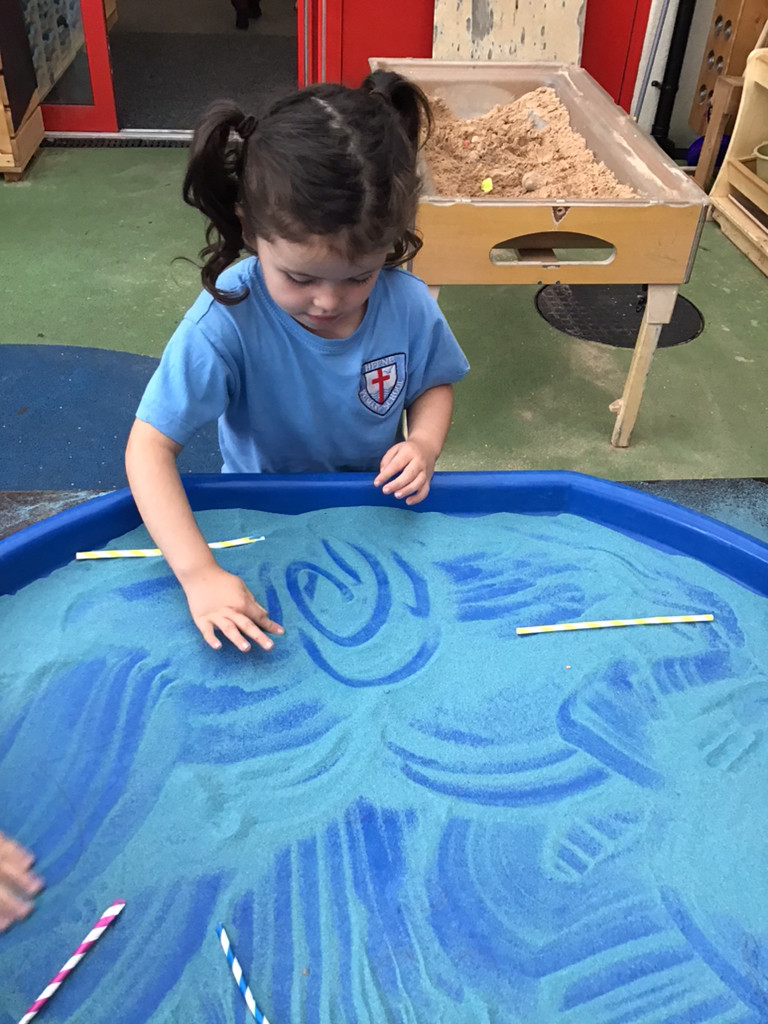
The seven areas of learning outlined in the Development Matters Curriculum Guidance (2020) and The Statutory Framework are all valued here at Heene Primary School, with all areas of learning equally incorporated and planned for, in order to ensure that there is a broad, balanced and progressive curriculum. The curriculum has high expectations to combine transferable skills and demonstrate a breadth of vocabulary. The curriculum is planned in a cross-curricular way to enable all aspects of the children’s development including understanding the world and expressive art and design as well as to promote sustained thinking and active learning.
Reading is at the heart of our curriculum. Children are encouraged to become early readers through enjoyment of books and the systematic teaching of phonics. Children develop their phonic knowledge through the Read, Write Inc Programme, developing their fluency in reading through the structured approach to daily teaching of reading. The lowest 20% have a daily reading intervention ‘pinny time’. The children are also exposed to carefully selected quality texts during English inputs through the 'Drawing Club' approach and participate in daily story time.
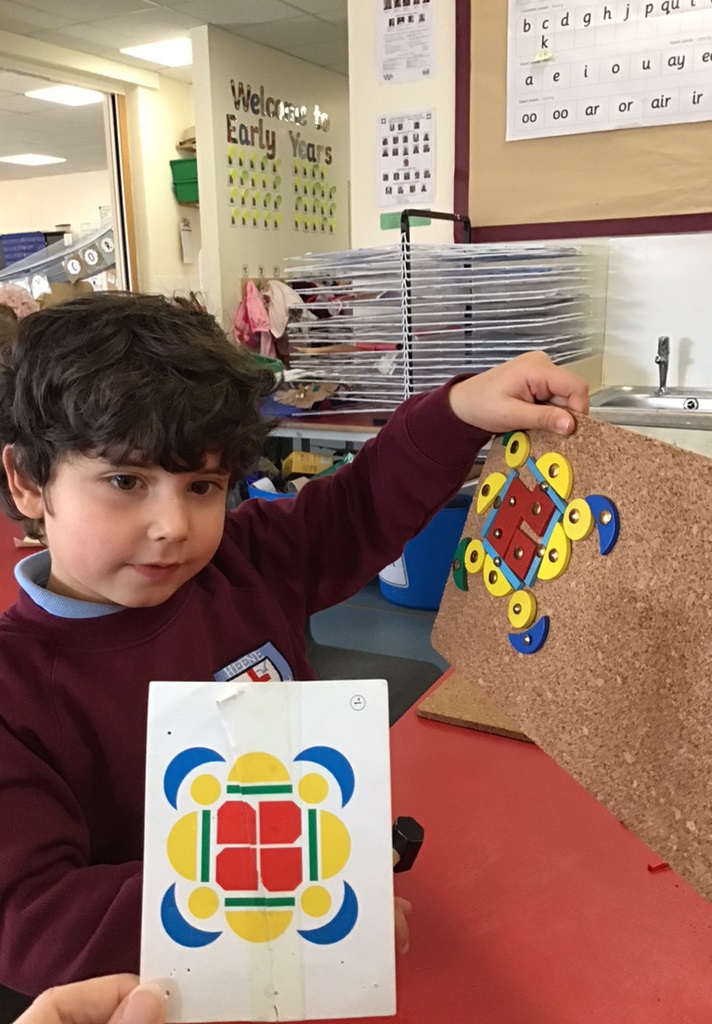
We follow the Maths Mastery approach in Reception with an emphasis on studying key skills of number, calculation and shape so that pupils develop deep understanding and the acquisition of mathematical language. Daily, direct maths teaching sessions followed by exploration time, gives the children time to develop their mathematical thinking. Children learn through games and tasks using concrete manipulatives which are then rehearsed and applied to their own learning during exploration. These early mathematical experiences are carefully designed to help children remember the content they have been taught and to support them with integrating their new knowledge across the breadth of their experiences and into larger concepts. We want our children to become confident mathematicians who can apply what they have learnt to real life experiences.
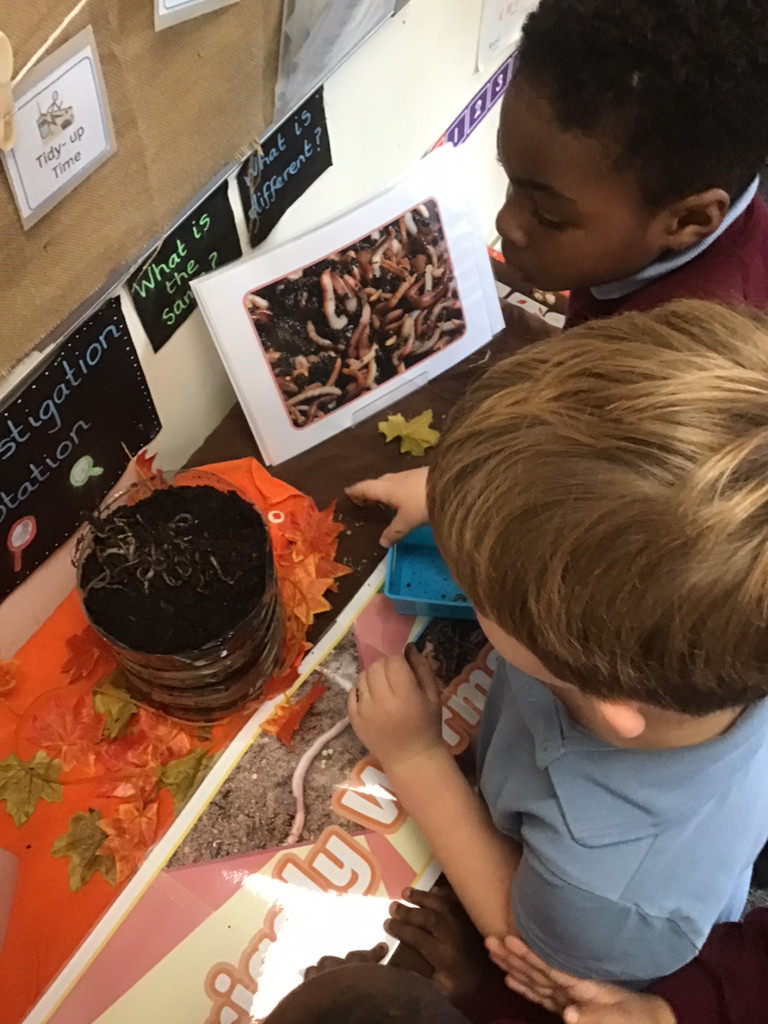
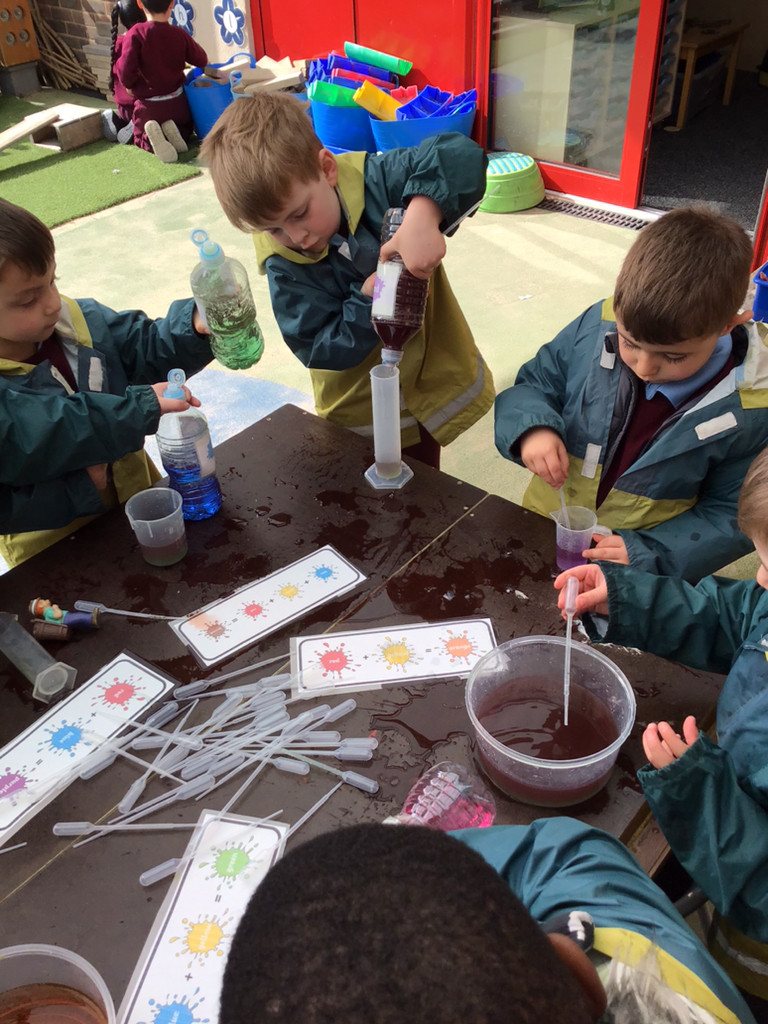
In EYFS the curriculum is enriched with classroom enhancements, trips and visitors. It is child-centred and based upon wow experiences and topics which engage the children. We encourage active learning to ensure the children are motivated and interested. It builds skills, knowledge and understanding within that topic of learning. Explicit weekly and medium-term planning is responsive to children’s needs; we take time to get to know children’s interests and their likes to support learning. All areas of the EYFS curriculum are followed and planned for to ensure there is a broad, balanced and progressive learning environment and curriculum. The children will learn new skills, acquire new knowledge and demonstrate understanding through the seven areas of the EYFS curriculum. Various trips, visitors, themes and events which have a clear curriculum focus take place throughout the academic year, with local community connections being utilised as an integral part of active learning within our EYFS. For example: autumn/ spring/ summer/ winter walks, visit from a local authors/ community workers/ bee keepers/ artists, to name but a few.
Children benefit from meaningful learning across the curriculum and staff plan resourcefully for opportunities for communication, sustained shared thinking and physical challenge to build on existing skills taking into account the Characteristics of Effective Learning. These rich first hand experiences (inside, outdoors, visitors and school trips) widen their experiences, awe and wonderment. Topics are supported by quality key texts. These are chosen carefully to encourage children's speech, language and communication development. New vocabulary and concepts through reading excite and engage all learners which includes staff modelling standard English and asking high quality questions. We prioritise creating a ‘language rich’ environment through the use of songs, nursery rhymes, stories and providing time for quality interactions between adults and between peers.
We ensure that content of the curriculum is differentiated to meet the needs of all of our learners and is taught in a logical progression so that our children can build on their prior learning. Our inclusive approach means that all of our children learn together however we have a range of additional tailored interventions which may include either closing gaps or moving children on. When a need is identified, Intervention Programs are generated by the class teacher and are then delivered in groups or on an individual basis, through focused activities in the environment and through play. Other research-based programs are also used to provide timely intervention and include: WELLCOMM - language programme. In addition, interventions may include making referrals to and working alongside colleagues in Speech and Language, Occupational Therapy, Educational Psychology, Sensory Therapy, School Nurses and Health Visitors in order to deliver personalised support for our children.
Children learn through a balance of whole class and group teaching. During small group work, staff can systematically check for understanding and promptly respond to misconceptions and provide verbal feedback in real time which results in the acquisition of new learning. Planned activities are directed by adults with others being initiated by both adults and children. There is a balance of child-initiated and adult-directed activities. The timetable is carefully structured and progressive across the reception year. There is rigorous direct teaching in English, maths and phonics everyday with regular circle time sessions to focus on PSED and other areas.
Language Development
Adults utilise every moment of the day to engage in meaningful conversations with children, fostering rich opportunities for spoken language. We use the ShREK approach to support high-quality back-and-forth dialogues that deepen understanding and encourage confident communication. Vocabulary is explicitly taught through Drawing Club stories and reinforced throughout the provision by adults to ensure continuity and depth. Within the first six weeks of starting school, all children are assessed using the WELLCOMM programme to identify their current language development. Children requiring additional support are given clear next steps, and tailored plans are implemented over the following half term. These plans are shared with parents alongside weekly updates and practical strategies for supporting language development at home. At the end of each half term, children on the WELLCOMM programme are reassessed, new next steps are set, and the cycle continues throughout the year. For children significantly below their age band, referrals are made to the Speech and Language Therapy Service to ensure specialist intervention.
Assessment
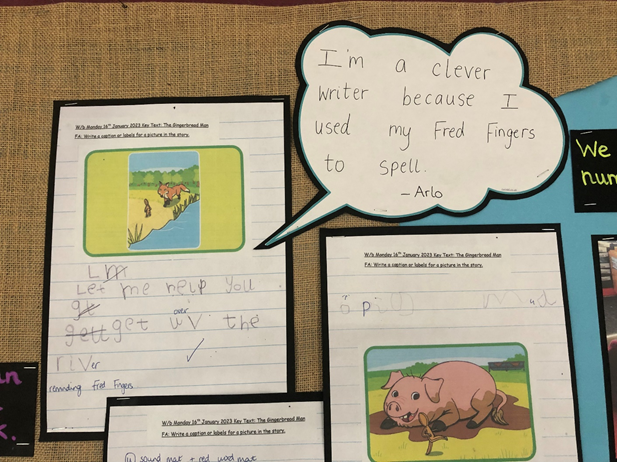
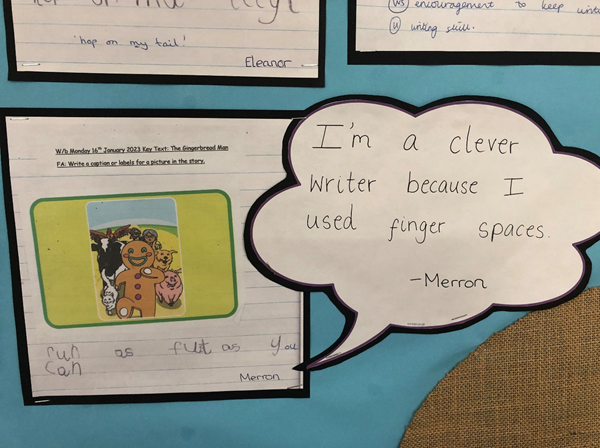
Throughout the year, as part of the teaching and learning process, children will be assessed in relation to their progress towards the skills and knowledge they have been taught. Development Matters Guidance (2020) and the Early Learning Goals judgements within The Statutory Framework are used in conjunction. We also seek guidance from other publications such as Birth to Five Matters and Occupational Therapy progressions etc, These judgements are made on the basis of accumulative observations and in depth knowledge of the children acquired through ongoing assessment. These ongoing assessments are used to inform planning and next steps in teaching and learning for all children throughout the year. End of year assessments are finalised during the summer term, summarising each child’s development at that point against the Early Learning Goals.
Staff make regular observations of the children’s learning to ensure their next steps are met. These are collected in each child’s online and paper learning journey. These continuous, daily formative assessments provide us with an in-depth knowledge of the children and are used to inform planning and the next steps in teaching and learning.
Learning Environment
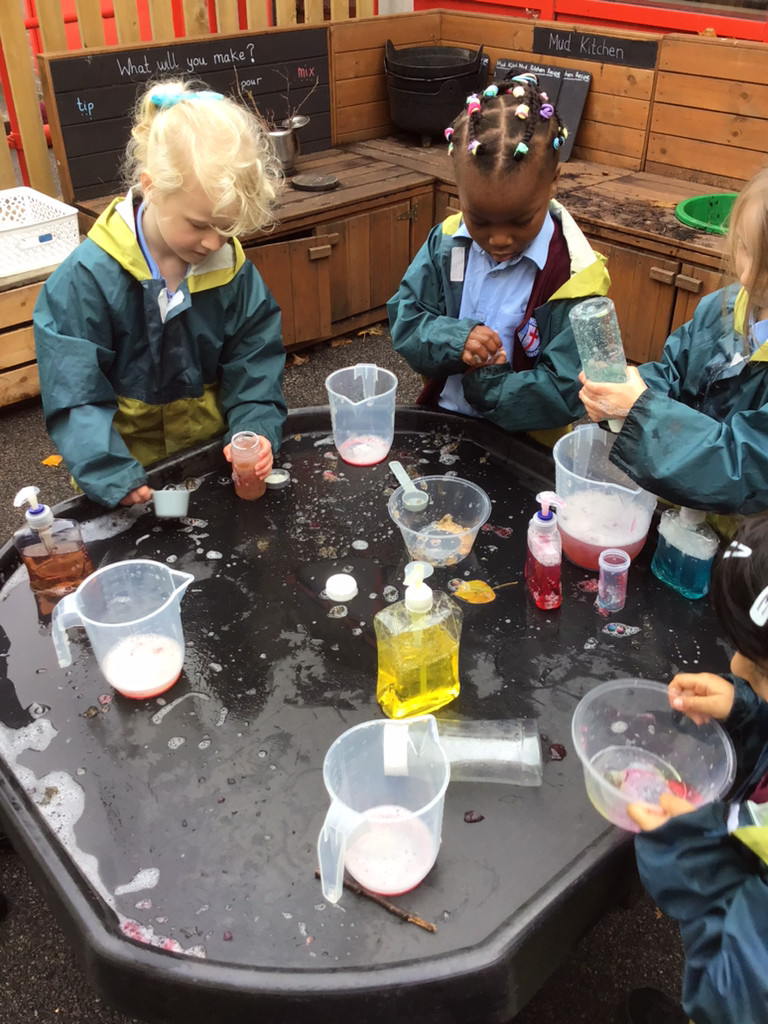
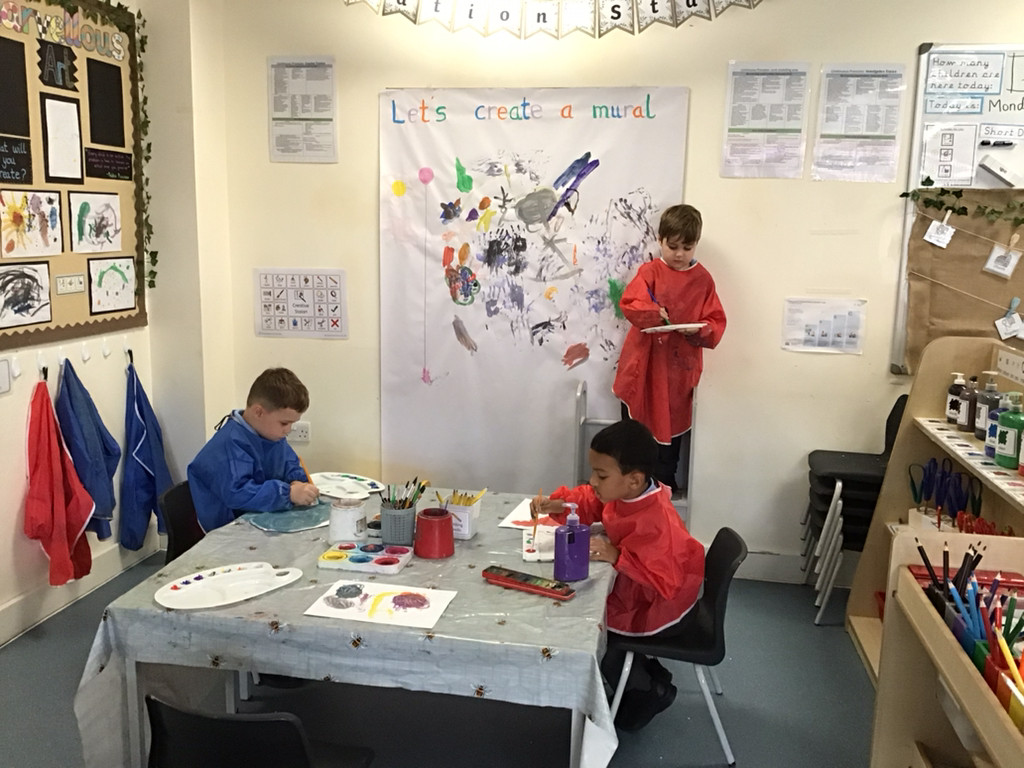
Continuous provision practise and principles in EYFS support children to develop key life skills such as independence, innovation, creativity, enquiry, analysis and problem solving. During the school day, children will have an opportunity to work independently, work collaboratively with their friends and with members of staff. Regular enhancements are added to the continuous provision to spark engagement and discussions, to follow interests, to support the curriculum, celebrations and to ensure skills continue to progress.
The Learning environment is thoughtfully designed across the whole unit to reflect the needs of the children and the school improvement plan. During continuous provision time (explorer time) the children free flow across the unit, accessing all areas.
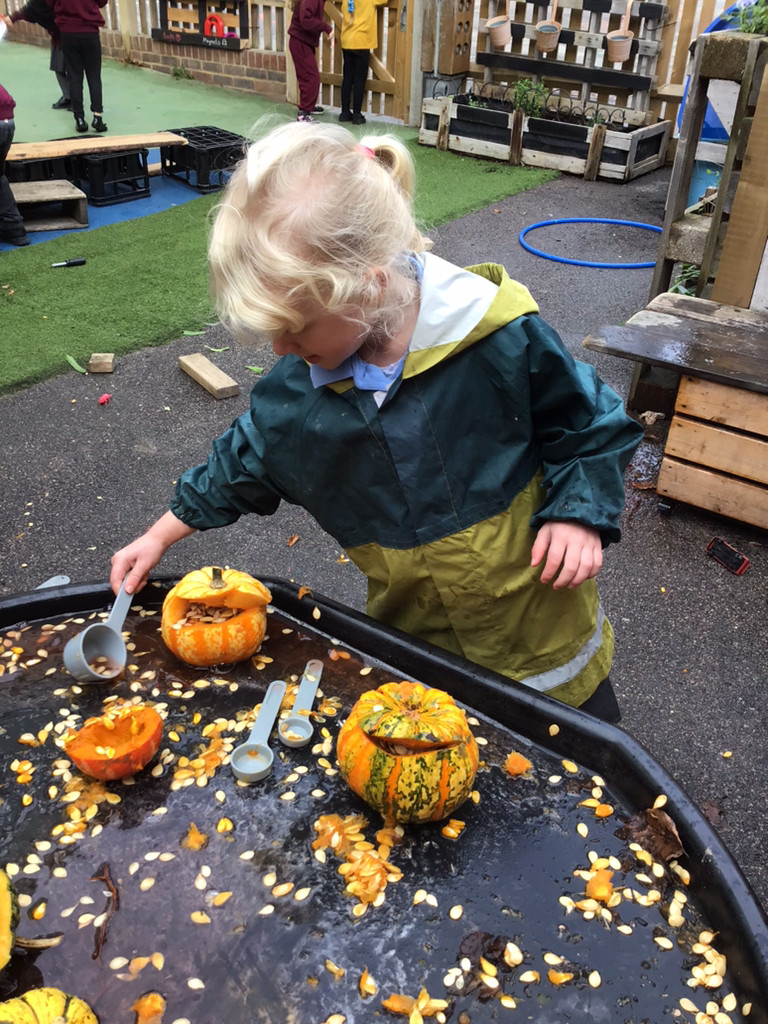
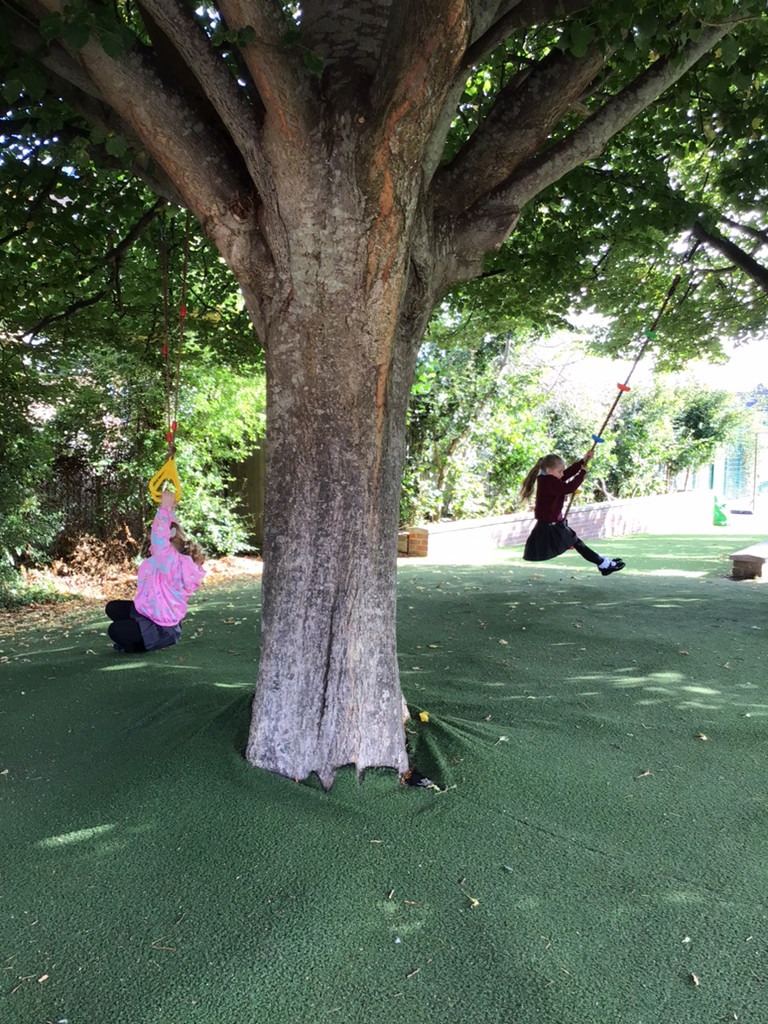
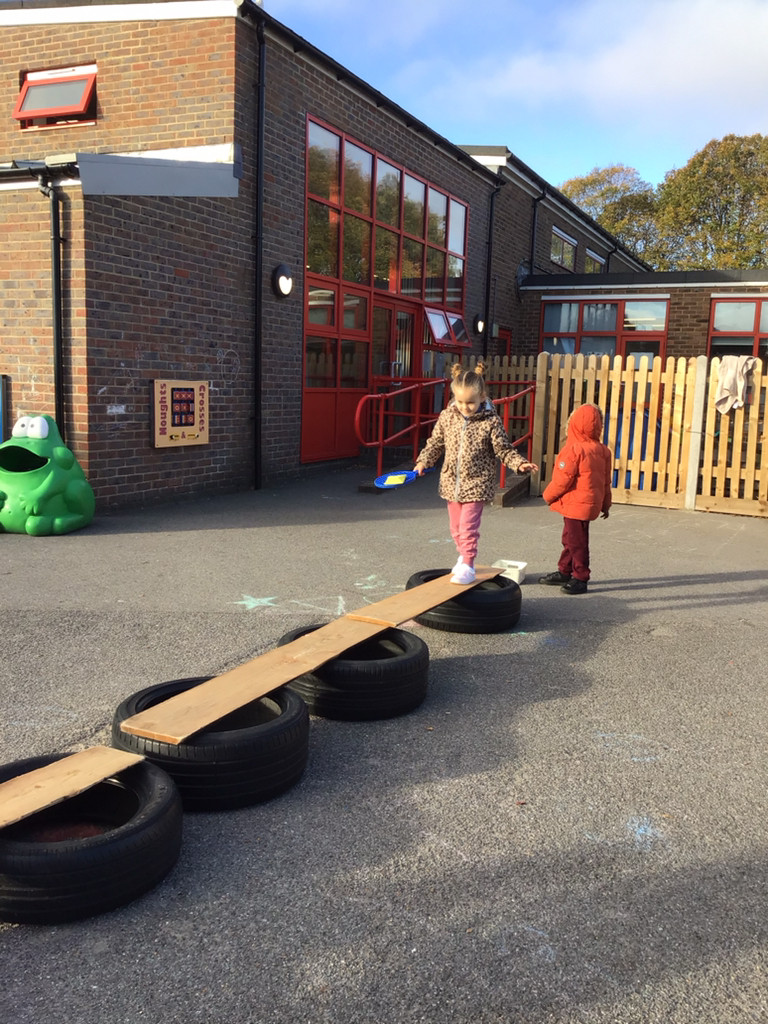
Children have daily opportunities to access the outdoor environment which also enables them to increase their levels of physical activity. The outdoor environment is seen as an extension of the indoor environment, not a replica. It focuses on bigger, louder, messier play. Developing all areas of learning with a focus on developing their gross motor and core strength.
Subject leaders
Subject leaders play an important part in the success of the curriculum by leading a regular programme of monitoring, evaluation and review. The celebration of good practice contributes to the ongoing commitment to evolve and improve further. All subject leads take the time to develop their understanding of the EYFS, working closely with the phase lead, and reception teachers. This ensures progression of skills and knowledge from the EYFS right through to Year 6.
Parents
We understand the importance of parental engagement and believe that our parents have a crucial role to play in their children's education. We work hard to create strong partnerships between home and school. We keep parents informed and we meet regularly with them to ensure children’s transition into school and throughout the year their child is happy and allows them to reach their potential with the support needed. This includes transition days, nursery visits, stay and play sessions, parent workshops, access to their online learning profile/ learning journal, sharing wow moments, reports and parent consultations as well as more frequent informal communication to suit individual families.
Transition
Having a smooth transition from the child’s previous setting to Heene is crucial in building up positive relationships with the child and their families. During the summer term we work closely with the Nurseries/ Pre-Schools to collect information about the children. Children are invited to attend stay and play settling in sessions in June/July and given transition books/ videos to help them get to know the classroom environment and staff. In September parents meet with their child’s class teacher before they start school. The children have a staggered start to allow them time to settle in a smaller group.
We support the transition into Key Stage 1 by enabling the children to have ‘Year 1’ experiences throughout the summer term. We also prepare the children with visits to their new class, year 1 teachers visiting the children to observe them in their current setting, meeting the teacher and ensuring the environments and timetables are similar at the end of EYFS and beginning of Year 1.
Impact
Our EYFS curriculum and provision ensures that every child leaves the Foundation Stage as a confident, resilient, and curious learner, ready to thrive in Key Stage One and beyond. Children develop secure foundations in communication, language, literacy, and mathematics, alongside the personal, social, and emotional skills that enable them to form positive relationships and make wise choices. They demonstrate independence, creativity, and critical thinking, reflecting our school values of respect, kindness, hope, and confidence in their daily interactions.
Our approach ensures that children leave the Early Years as confident, articulate communicators with a rich and varied vocabulary. They demonstrate the ability to engage in sustained, meaningful conversations and show clear progress in listening, understanding, and expressing themselves. Regular assessment through the WELLCOMM programme provides measurable evidence of improvement, with targeted next steps driving accelerated progress for those who need additional support. By the end of the year, the vast majority of children meet or exceed age-related expectations in communication and language, while those requiring specialist intervention are swiftly referred and supported through the Speech and Language Therapy Service. Parental engagement is strong, with weekly updates and home strategies contributing to consistent progress. This cycle of assessment, intervention, and review ensures that every child builds the essential language foundations for future learning and lifelong success.
Through high-quality teaching, purposeful play, and rich experiences, children acquire the cultural capital and essential knowledge they need for future success. They show a love of learning, perseverance in the face of challenge, and the ability to express themselves clearly. Our impact is measured not only by strong progress and attainment—such as achieving a Good Level of Development—but also by the development of happy, well-rounded individuals who believe in their own potential and are prepared for lifelong learning.