Heene Church of England Primary School
Physical Education
1 Corinthians 9:24-25
"Everyone who competes in the games goes into strict training. They do it to get a crown that will not last, but we do it to get a crown that will last forever."
Subject Leader: Miss A Jameson
Intent
Heene CE Primary School strives to be an inclusive community where ‘together in faith, we love, grow and learn’. Our PE curriculum is the vehicle through which we demonstrate our vision in action through our core values (respect, curiosity, kindness, resilience, hope, confidence). This curriculum, alongside RSHE and science, teaches children about the importance of healthy living and our aim is to give every child the opportunity to take part in regular physical activity. We respect the individual differences and experiences that each child contributes and the wealth of diversity that can be shared within the PE curriculum, particularly in terms of spiritual (faith), cultural and emotional development through elements such as dance. PE gives the opportunity for respect to be shown by all, when demonstrating, observing and giving feedback in order to boost confidence and hope. Children will learn to be respectful of themselves and others, appreciate differences in ability, learn to deal with success and failure (resilience), celebrate achievements and showing sportsmanship (kindness and respect). Our curriculum allows for children to develop competence in a range of physical activities and skills, encouraging competitive experiences wherever possible. This in turn can promote curiosity about sporting events and diversity within these which can be developed within PE lessons as children experience a wide range of activities that my lead to extra-curricular opportunities. Through clubs, children are also exposed to further coaching, and the school’s participation in WSSA (Worthing School Sports Association) events allows for new opportunities as well as competitions with other schools. We want children to enjoy physical activity and to develop their knowledge and skills which in turn will positively impact their future; through curiosity to find an activity they enjoy and become physically active citizens thus benefiting their long-term health and well-being (growth).
Within PE lessons children learn about the importance of teamwork, cooperation, fair play, taking turns, resolving issues and sportsmanship (respect) when working with others and are encouraged to treat others fairly and with kindness in all physical activities. Children give feedback to others, considering the words and actions that they use to support one another to grow and improve their skills. PE is often a subject area that poses many challenges and it is an ideal aspect of the curriculum in which to foster resilience. Understanding the importance of practice in sport and the development of skills over time is a vital and important part of PE teaching (hope and growth). Children will learn to overcome barriers (hope and resilience) and increase their confidence as they realise that they can achieve (faith). Children can develop life-long skills through PE impacting their relationships and interactions with others, they can inspire hope, develop confidence, learn how to resolve issues and build knowledge to lead healthier and more active lifestyles.
Implementation
The focus for PE in the Early Years enables children to explore how their bodies work and to develop individual skills whilst working on spatial awareness. Physical development in the foundation stage is about improving skills of coordination, control, manipulation, movement and developing a positive sense of well-being.
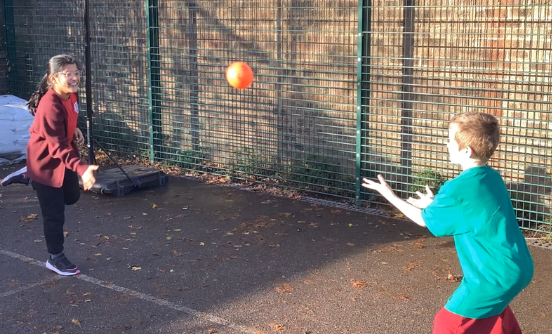
In Early Years children will be encouraged to gain independence; developing the basic skills needed to enjoy a physically active life. Children will explore running, jumping, throwing and catching as well as manipulating balls and objects during PE lessons. They will learn how to have fun whilst being active independently and alongside others, involving children using a range of equipment, being offered choice and plenty of praise as they reach their goals. Children will also learn about and how to look after their bodies properly, ensuring they have an awareness of themselves whilst developing core strength, stability, balance, spatial awareness, co-ordination and agility. Physical activity time offered during the school day is also vitally important in supporting physical development in Early Years children as they receive varied opportunities to explore and play, developing their fine and gross motor skills further.
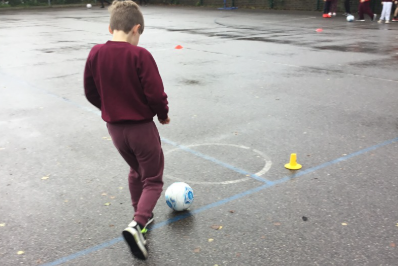
In Key Stage 1 children further develop the basic skills that they learnt in the EYFS curriculum and will learn to move with increased coordination and control. Children begin to use and link the actions/skills previously learnt by applying them to more focused activities such as gymnastics, dance, athletics and games. In Key Stage 1 children will work with partners to build on the skill of co-operation whilst creating practises/games and sequences. The focus is still skills based and children begin to explore how changes can be made in order to improve their performance.
In Key Stage 1, the friendly competitive nature of sport is properly introduced for the first time, as is the concept of winning and losing. Children will watch each other perform gymnastics and dance routines and look at techniques used by others in athletics. They will be taught to comment on what has been done well and begin to suggest ways they can improve their own performances. Key Stage 1 continues to build on learning about the ways we can look after our bodies. Children begin to consider the impact of exercise on their bodies by describing how their own body changes and feels during physical activity.
In Lower Key Stage 2 children build on the skills they have learnt in previous years by improving their coordination and control and varying their skills to suit different activities. Children will develop skills associated with various games including invasion, net, striking and fielding games learning tactics required for small sided games. The children will also develop their compositional skills in movement based activities such as dance and gymnastics, showing how they can build and perform sequences in pairs and small groups. They will work in small groups to devise ideas for activities taking responsibility for organisation and rules. In Lower Key Stage 2 children will develop a greater understanding of how to take part in physical activity safely and the importance of warming up. There is still very much a focus on keeping fit and healthy with children showing an increased awareness of how to do this. Children will be able to articulate the impact physical exercise has on their body both now and in the future. In LKS2 the children will build on the skills of reflection and evaluation that they were beginning to develop in Key Stage 1. They will be encouraged to comment on how their performance is similar/different to others, using these observations to further improve themselves as athletes.
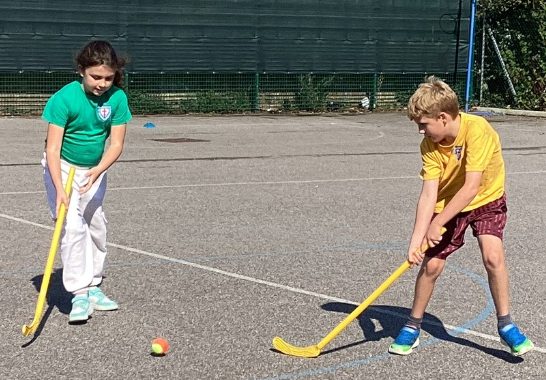
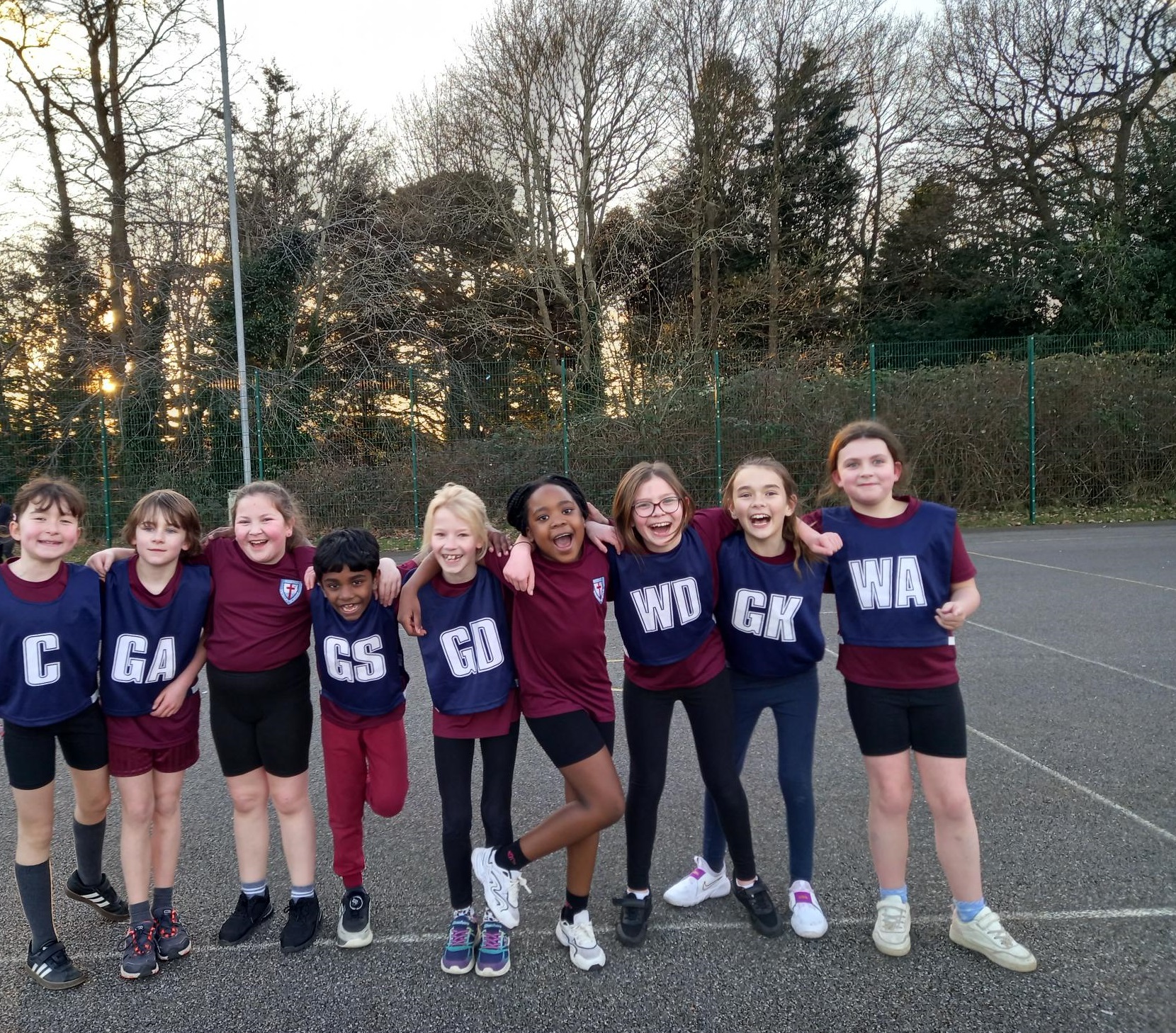
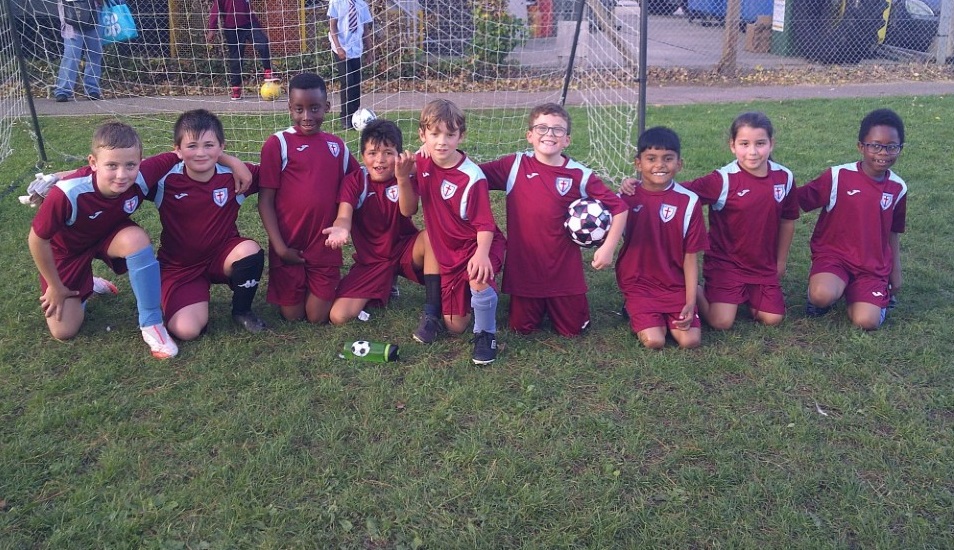
In Upper Key Stage 2 there is still a focus on skills based objectives in PE and Games. Children are required to select and link skills effectively whilst applying their knowledge and skills tactically. In gymnastics and dance children will work in small groups to produce sequences involving compositional elements, utilising and further developing the skills that they have previously learnt to perform more complex routines. Games will begin to take shape in the more recognised forms of known sports such as netball, basketball, football, hockey, tag rugby, tennis, rounders and cricket. The rules and further tactics required for these will be introduced throughout UKS2 so that children are able to participate with greater understanding. Children will continue to build on previous learning by further developing their evaluation skills. This will lead to an improvement of their own and others’ performances ensuring children are able to encourage, coach and support their peers. Children will assume increased responsibility for their own development and physical well-being by leading their own warm ups, gaining knowledge of muscles groups/functions and organising activities safely. They begin to link their PE learning, especially that surrounding health and fitness, to the rest of their lives and they will look at opportunities that can be unlocked by being physically fit and healthy. In Upper Key Stage 2 children will apply previously learnt skills whilst demonstrating a greater awareness of others. They will work in larger groups, combining skills to achieve success in a variety of activity areas (including games, athletics, dance and gymnastics). The education in this phase supports the development of each individual as they take on roles as coach, performer, team member and sportsperson in order to achieve success, persevere and work as a part of a community. Swimming skills are taught as part of the National Curriculum with a view to being safe in and around water, as well as developing technique and stamina. For children who are not able to meet the criteria for NC swimming awards in Year 5 we offer ‘Top Up’ swimming in Year 6 to ensure that more children achieve and progress in this area of the curriculum.
Impact
Children develop skills in a range of different physical activities at Heene. Working independently, in pairs, small groups and teams they will explore different aspects of Physical Education whilst developing teamwork, sportsmanship, confidence, resilience, problem solving (curiosity and hope) and self-reflection (growth). They will build the skills in order to be successful in using their bodies for physical movement and understand the importance of physical activity on their health and well-being.