

Heene Church of England Primary School
History
Deuteronomy 32:7
"Remember the days of old; consider the generations long past. Ask your father and he will tell you, your elders, and they will explain to you."
Subject Leader: Mr S Barwell
Intent
Heene CE Primary School strives to be an inclusive community where ‘together in faith, we love, grow and learn’. Our History curriculum is a vehicle through which we demonstrate our vision in action through our core values (respect, curiosity, kindness, resilience, hope, confidence). It is our intent that History at Heene will equip out children with a coherent knowledge of the history of Britain (including our local area) and nations of the world.
Our History curriculum teaches children about respecting many societies or groups of people through a diverse range of topics across the key stages and whole school events. Through the past and it’s events children are taught the importance of British values mutual respect and tolerance and why these are important to today’s world.
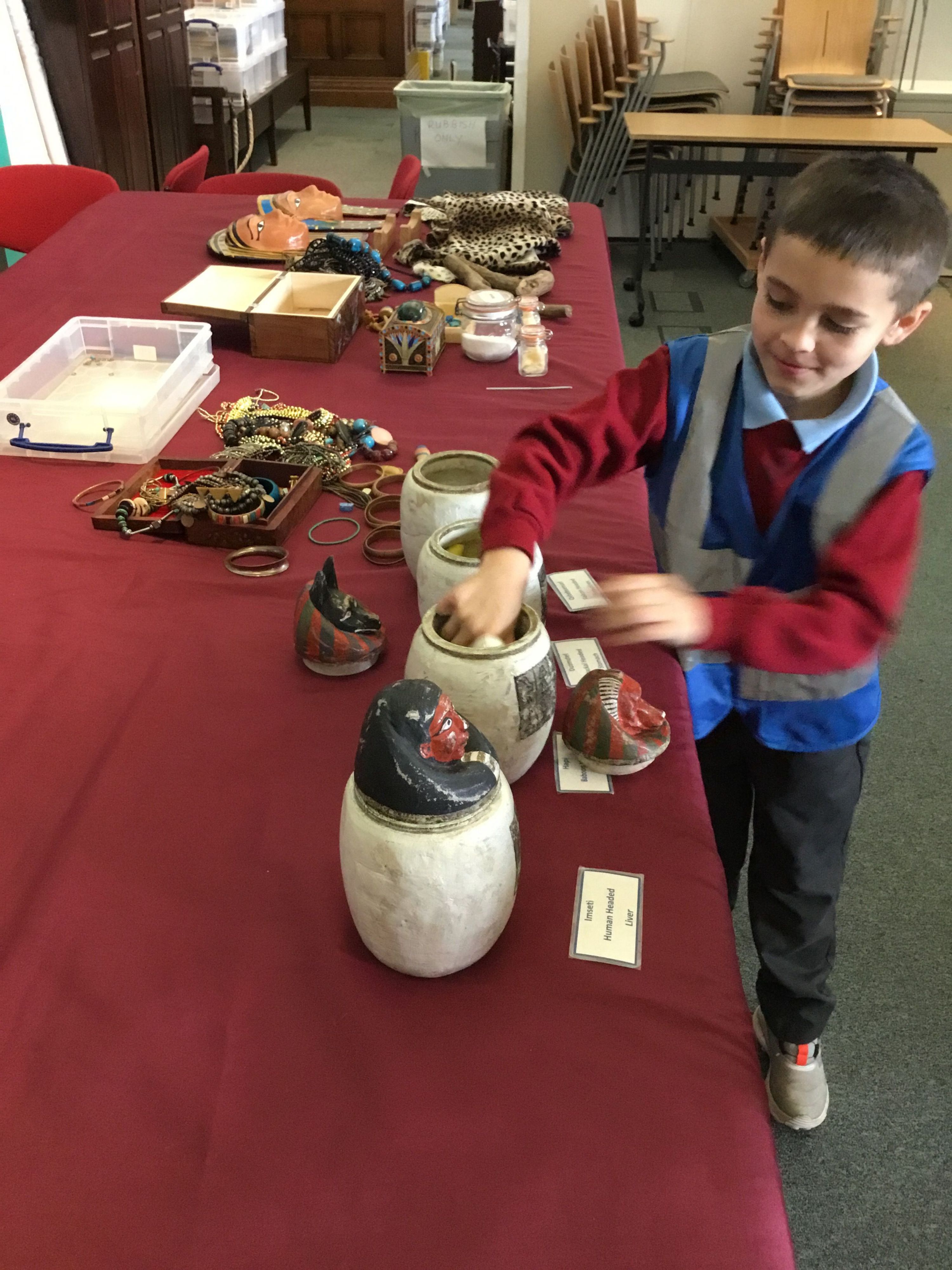
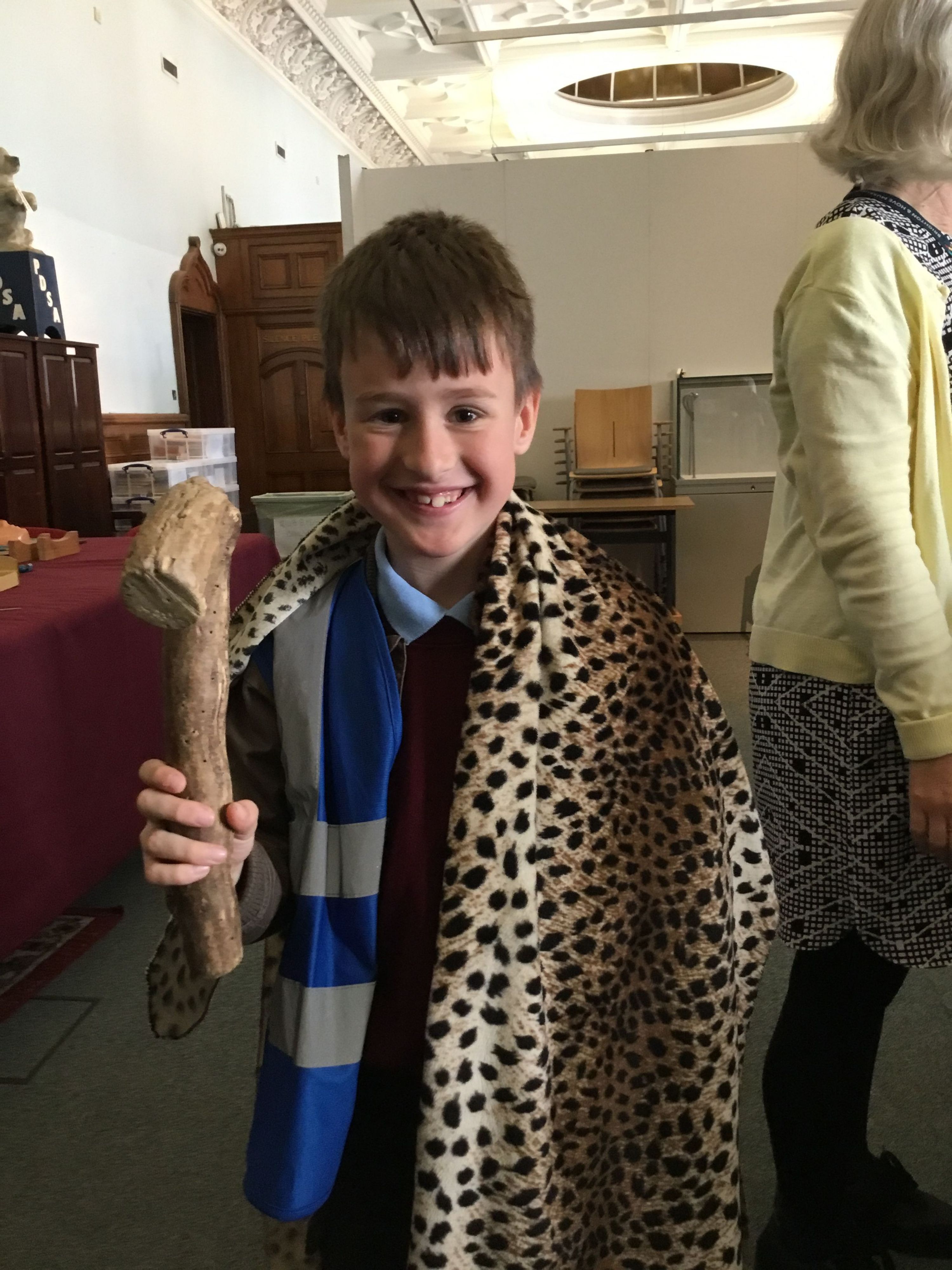
Through encouraging curiosity and asking questions, the History curriculum at Heene aims to inspire awe and wonder of the achievements of civilisations and how they lived. It also aims to educate on the challenges faced to some over the course of history. Through the careful use of artefacts, sources and historical evidence, pupils at Heene at exposed to a variety of stimuli to generate excitement and curiosity.
Our History curriculum supports children’s personal and academic growth, helping them to develop a deep sense of self-worth and build the skills, resilience, and knowledge they need to succeed and make the best of their lives (grow). They will be lifelong learners who are hopeful, curious and kind; confident and empowered to make choices, take opportunities and make valuable contributions to the wider community (learn).
Implementation
Our History curriculum is derived from the Kapow scheme of work. Tweaks have been made to adjust units of work in key stage two to make it more applicable to our school setting. This allows children to make links to the local area and learn about British values through learning about the rights of women. It supports curiosity in thinking and a sense of togetherness.
History is implemented based on key research theories such as Rosenshine’s principles of instruction. All history lessons start with a learning review activity to retrieve prior learning. This may be use of knowledge organiser, quiz or collaborative learning activities. This allows new learning to be introduced to build children and their learning as the unit of work evolves.
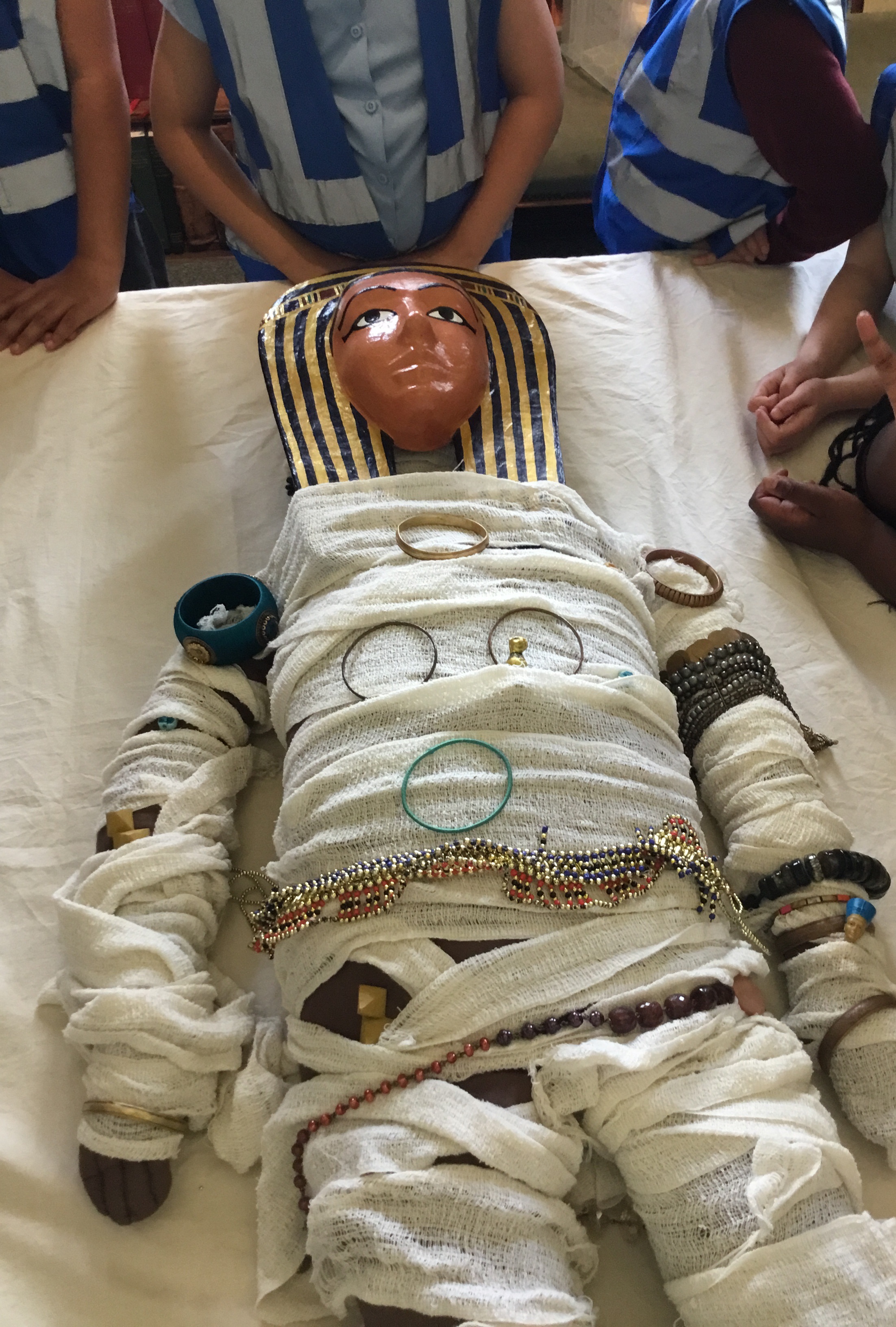
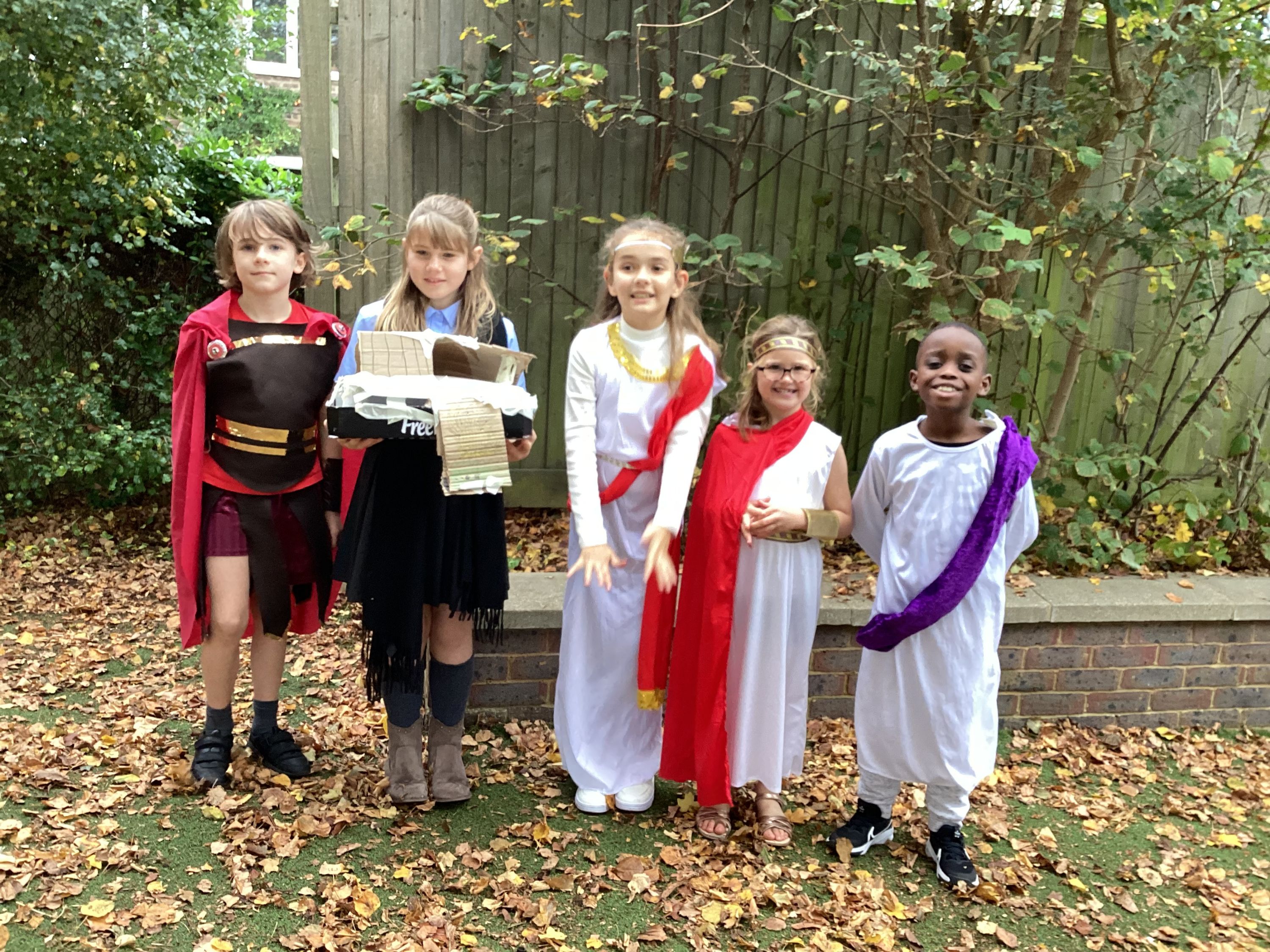
Across the school history is implemented beyond discrete history lessons through visiting workshops such as Hands on History and activities in October to educate children on Black History. Equally, history is implemented across the curriculum through the key stage two reading curriculum by having texts linked to topics.

Impact
The impact of the History curriculum in school can be observed through:
-
Pupil voice across all key stages
-
Book looks focusing on key aspects of history teaching
-
Work examples and samples taken
Pupils will be able to articulate the key understanding around the substantive themes and concepts explored in the history curriculum. Pupils will become confident in articulating their understanding around taught enquiry led topics and be able to make links across their topics from various year groups. Their enjoyment and love of history will also have developed for them to have a curious and keen mind for knowing about the past.