Heene Church of England Primary School
Reading
Subject Leader: Miss B Sellwood and Miss H Luke
Implementation
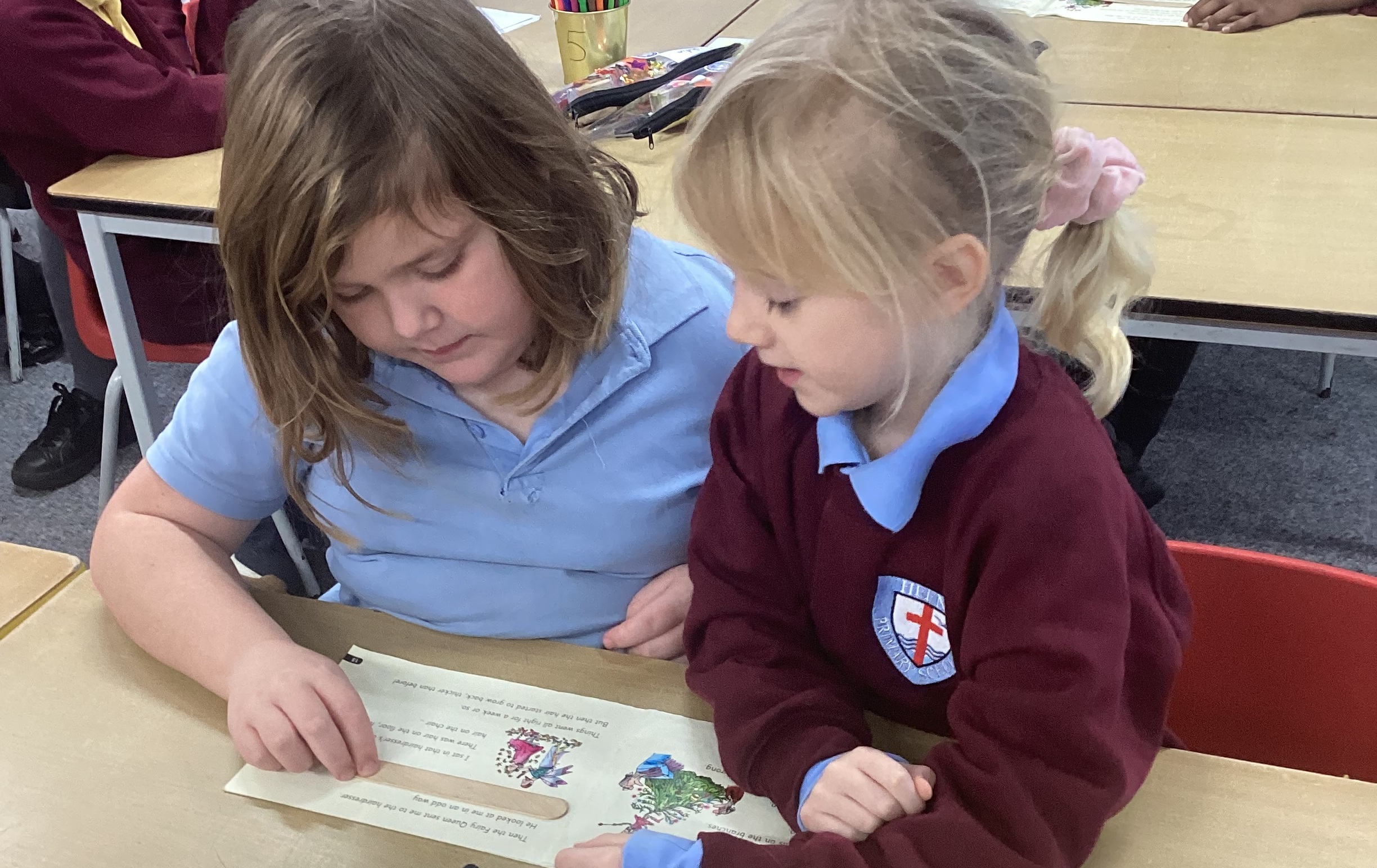
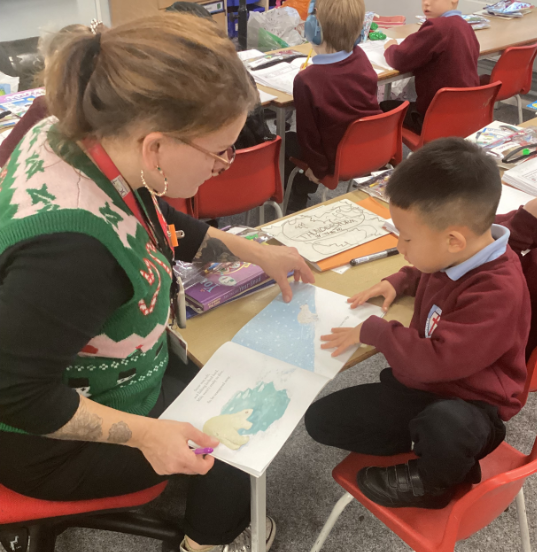
Our reading provision is underpinned by the systematic synthetic phonics approach delivered through the Read Write Inc. Phonics programme. Daily phonics sessions are taught in small, ability-based groups to ensure targeted support and progression. Children learn to decode words by blending sounds and develop fluency through repeated practice with matched decodable texts.
Alongside phonics, we embed opportunities for comprehension, vocabulary development, and writing, ensuring that pupils apply their phonics knowledge across the curriculum. Regular assessments inform groupings and interventions, enabling all learners to make rapid progress towards becoming confident, independent readers.
Once children have successfully completed the Read Write Inc. phonics programme, they will transition to the Bridge to Destination Reader approach to further develop their reading fluency and comprehension skills. This stage focuses on consolidating decoding strategies while introducing structured opportunities for children to engage with high-quality texts. Bridge to Destination Reader lessons will emphasise key reading behaviours such as making predictions, clarifying vocabulary, and discussing characters and themes in greater depth. Through guided practice and partner work, pupils will build confidence in applying comprehension strategies, preparing them for the full Destination Reader programme in Key Stage 2. This approach ensures continuity in reading development and supports children in becoming independent, reflective readers.
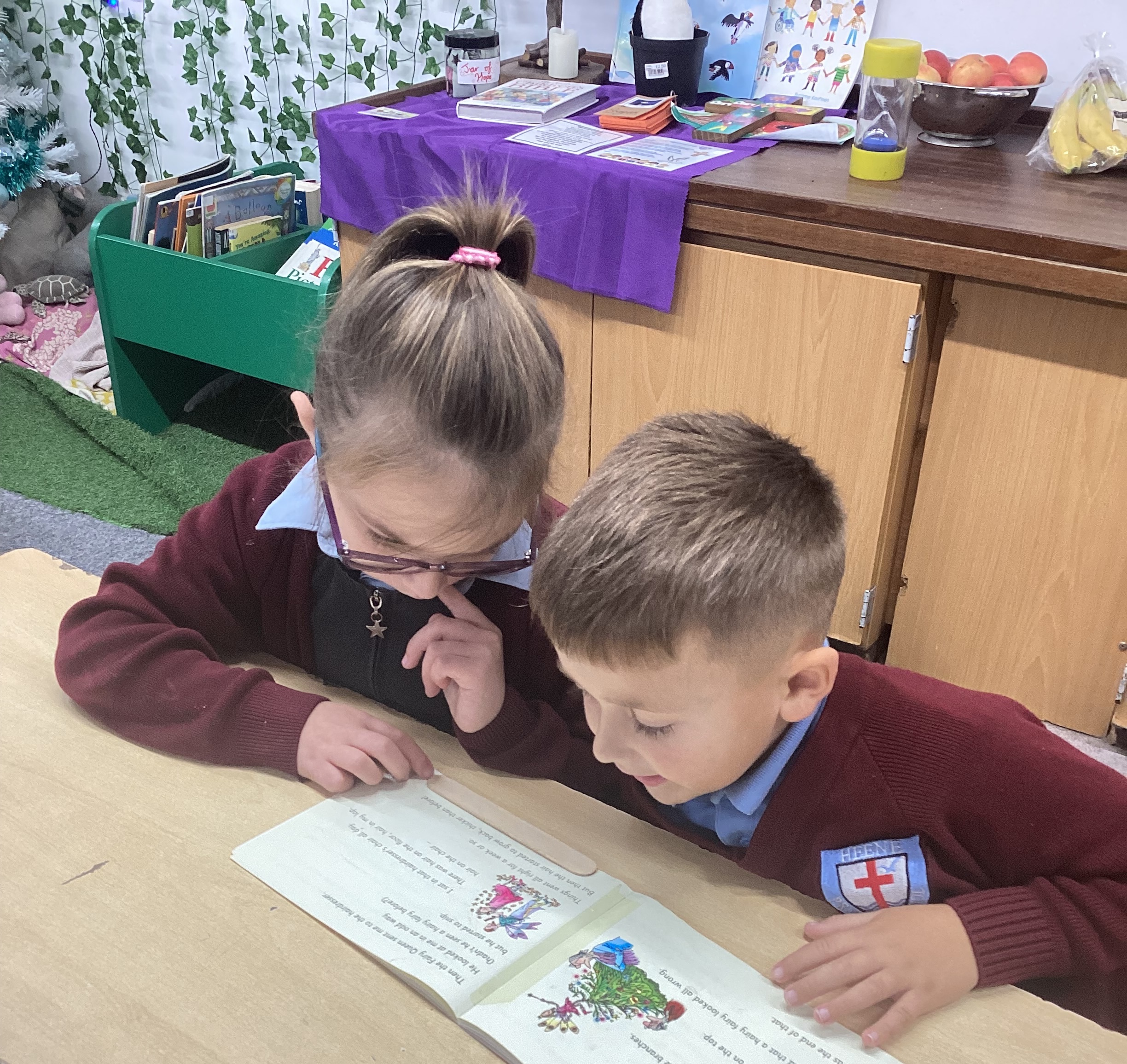
In Key stage Two, guided reading is delivered daily through the Destination Reader approach, which combines whole-class modelling with collaborative partner work. Children are explicitly taught discussion skills to promote respectful and meaningful book talk. Comprehension is deepened through systematic use of key strategies—predicting, questioning, clarifying, summarising, making inferences, making connections, and evaluating—supported by language stems to scaffold understanding.
To foster a lifelong love of reading, we create rich opportunities for pupils to engage with a wide range of texts and authors. Our school library is a vibrant, welcoming space where children can explore books that spark curiosity and imagination. We actively encourage regular visits to the local library to broaden access to diverse literature and strengthen community links. Author visits and book-themed events are integral to our approach, inspiring pupils by connecting them with real writers and celebrating reading in creative, memorable ways. Through these experiences, we aim to nurture enthusiasm, confidence, and a deep appreciation for reading across all stages of learning.